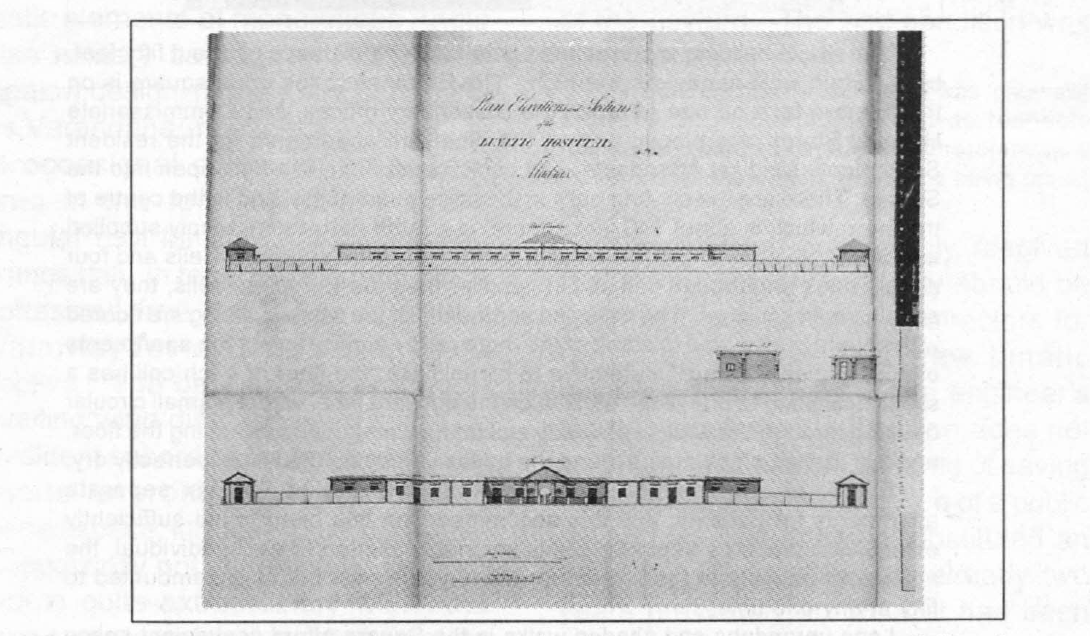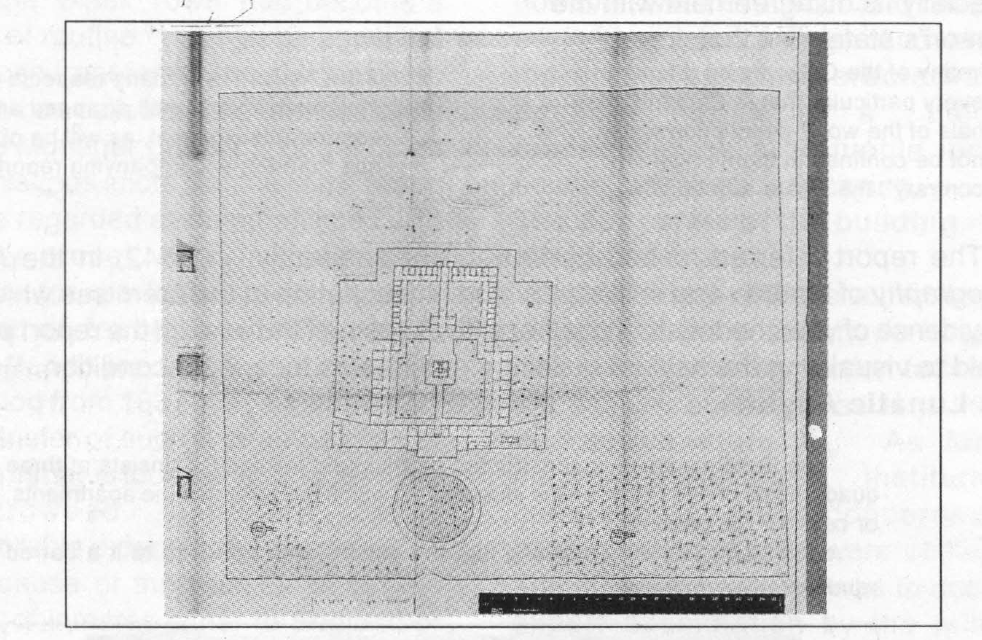
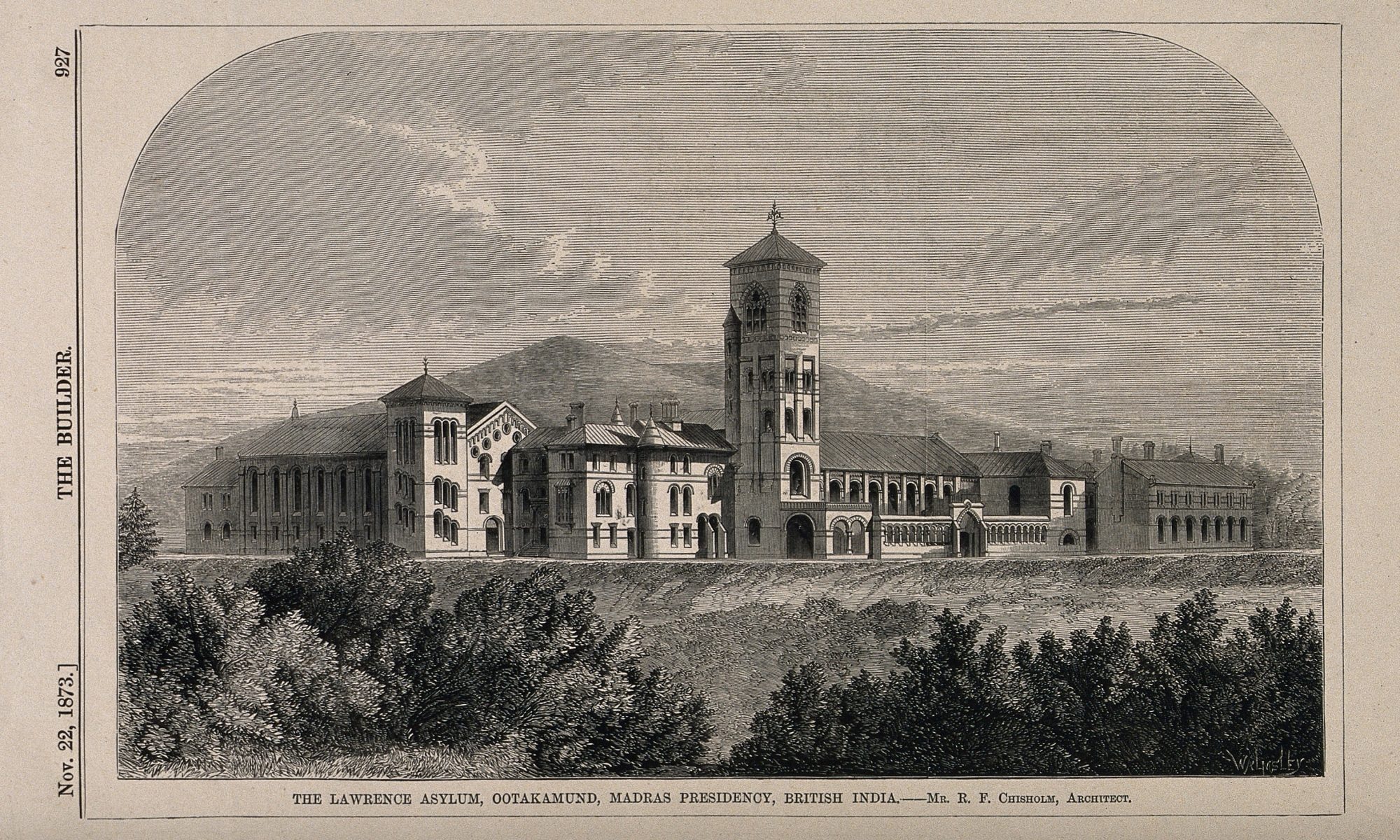
DOWNLOAD: THE MADRAS LUNATIC ASYLUM IN EARLY 19TH CENTURY
Quotes:
- “Firstly, from its foundation in 1794 the asylum provided for the reception of both Europeans and Indians. There existed, of course, separate wards for the different races.”
- “In Callagan’s version the Armenians of respectable families thus turned into deranged paupers who were picked up in a part of Madras that was called the Black Town.”
- “Patients of high social standing were especially welcome as the profit margin increased proportionally with the persons‘ class.”
- “After legal consultation government consequently resolved that no longer should all-in class-specific rates be paid to the superintendent of the asylum. Instead the superintendent was to receive a fixed monthly allowance; the expenses for the care and treatment of particular patients being henceforth met against detailed bills of expenses; and last but not least the medical board was to be solely empowered to admit patients and recommend their proper classification, as well as their treatment”
- “The government was, as a matter of course, in favour of an institutional policy which allowed for separation of patients and discrimination in accordance with class and race.”
- “The court had approved of the Bengal government’s policy of sending European lunatics to England, and decreed that the same arrangements should immediately be made in Madras as well. However, not only did some delay occur but both the asylum in Madras and the recently established provincial asylums in Chittur, Tiruchirupalli, Tellicherri and Masulipatnam were undergoing extensive repair, structural improvement and rearrangement.”
- “Whilst most Europeans were sent to institutions in their motherland, Eurasians and Indians almost always remained in the Madras asylum. Despite the periodic transfer of Europeans from 1821 onwards, the building soon became overcrowded.“
- “The social distance between the races was maintained only in the case of upper-class Europeans. The intermingling of low-class Europeans with people of allegedly inferior race was not regarded as unseemly. Further, mad members of the British ruling class were kept at a distance not only from Indian patients, but also from their low-class fellow countrymen.“
- “From 1824 onwards the boarding out of Indian patients to either the Indian infirmary (the ‘Monegar Choultry’) or the jail in the ‘Black Town’ had become a matter of routine.”
- “Only in 1856/7 did some minor intervention in regard to the patients detained in the infirmary come to be seen as necessary: the inmates were to wear bracelets so that they could be identified by the peons (watchmen) as needing more vigilant observation to prevent them from wandering off.”
- “It was however exclusively members of the upper-classes who were exempted from admission into the asylum.”